Developing the core movement models is a critical aspect of functional exercise that allows people to attain optimal results while reducing the risk of harm. Functional exercise emphasizes on movements that mimic natural physical movements, such as lunging, pushing, dragging, and rotating. Grasping these fundamental movement patterns provides a base for all other movements and activities, from everyday tasks to sport performance. Proper form, alignment, and body control are crucial in these patterns to ensure even muscle engagement and joint stability. When these movements are correctly executed, the body can move effectively, generate force, and retain control across a broad range of movement.
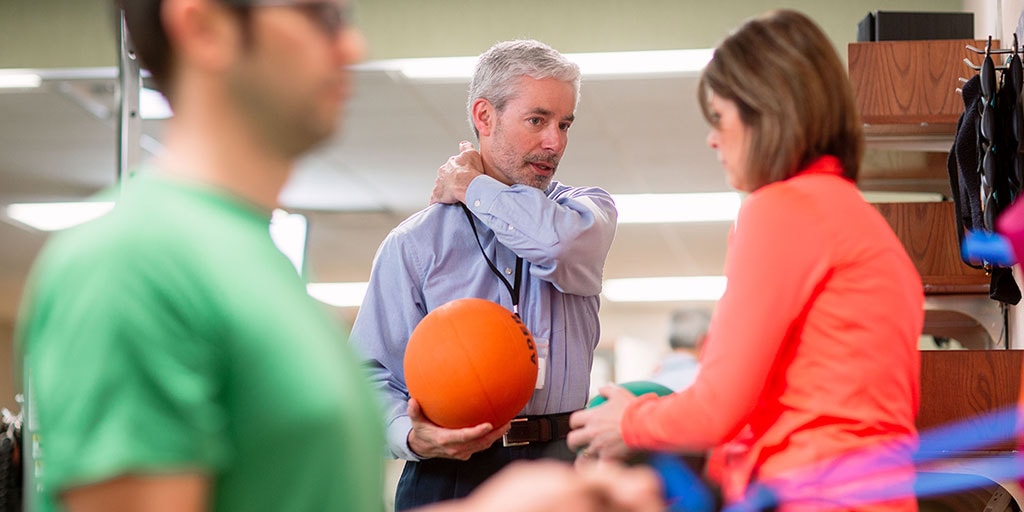
Perfecting core movement models demands attention to stability, flexibility, and control. Stability is vital for maintaining proper alignment during active movements, while range of motion allows the joints to function freely without restriction. Synchronization ensures that multiple muscle groups work in unison smoothly. For example, a lunge demands the integration of the hips, knees, and lower limbs while preserving spinal position and activating the core. Training plans that prioritize controlled, precise form of these models enhance neuromuscular coordination, allowing the nervous system and muscles to coordinate efficiently. Over time, consistent training reinforces connective tissues, improves joint integrity, and boosts overall athletic ability.
Improving performance in functional exercise involves integrating advancement and diversity into exercises. Beginners may begin with bodyweight versions of basic bodybuilding coaches patterns, while advanced trainees can implement weighted bands, free weights, or unstable platforms to challenge strength, stability, and capacity. Progression should follow a logical order, beginning with learning the foundational technique and gradually increasing load, tempo, or difficulty. This approach not only builds additional info muscular ability but also minimizes the likelihood of compensatory movements that can contribute to strain. Trainers and instructors often employ movement evaluations to detect weaknesses or asymmetries, tailoring programs to correct personal requirements and optimize practical results.
Consistent training of these core motion patterns builds muscle stamina, joint health, and motor control. Functional exercise prioritizes compound movements that activate multiple muscle groups together, producing more effective and organic motion patterns. For example, a push-pull combination can work the chest, back, deltoids, and arms while improving joint stability. Including rotational and anti-rotational exercises helps enhance midsection control, balance, and the ability to generate power in varied directions. By training the body in methods that mirror real-life demands, individuals improve their ability to perform daily tasks, sports movements, and physically intense exercises securely and effectively.
Incorporating these essential movement frameworks into a organized plan supports long-term health and peak performance. Functional training not only strengthens muscles but also enhances alignment, control, and overall movement efficiency. Correct form and consistent training enable the physique to adjust to functional requirements while reducing the chance of strain. Individuals who regularly practice with these guidelines develop power, flexibility, and assurance in their motion skills. Whether for competitors pursuing high-level performance or people striving for improved functional capability, mastering and enhancing fundamental movement patterns is a cornerstone of effective functional exercise.
Comments on “Developing Key Movement Sequences for Top Effectiveness in Functional Fitness Training”